
Medical Asset Management & Governance for Healthcare
Explore the importance of medical asset management in building reliable, safe, and sustainable healthcare infrastructure. Learn about governance frameworks, lifecycle management, and strategies for effective medical equipment management to enhance patient safety and operational efficiency.
medtechsolns.com
3/10/20265 min read
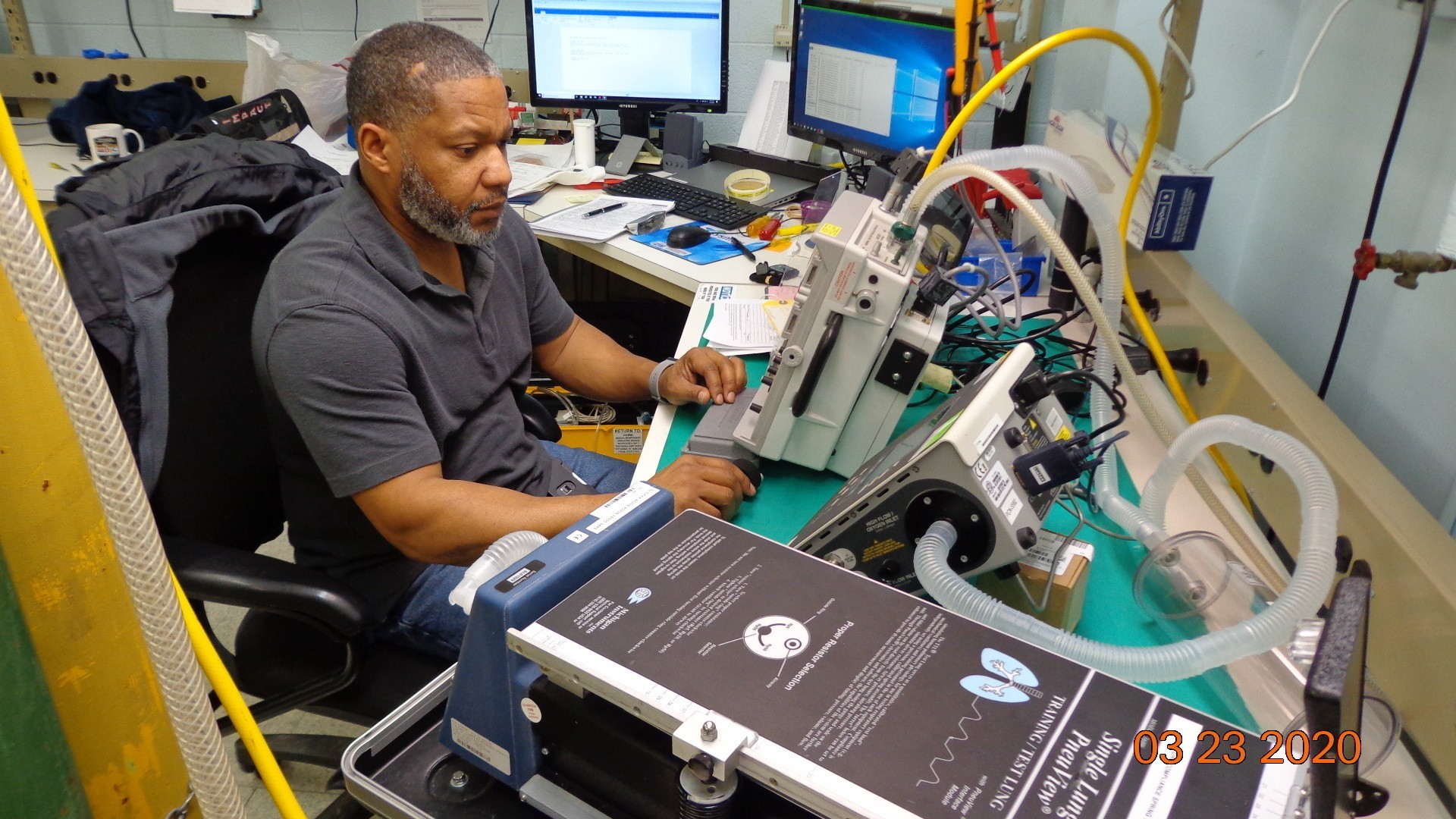
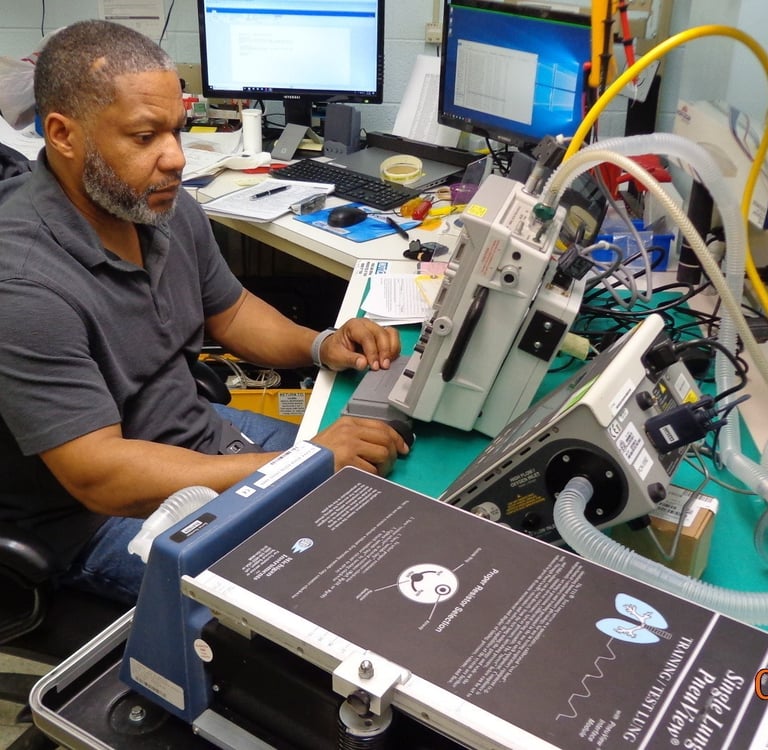
Building Reliable, Safe, and Sustainable Healthcare Infrastructure
Executive Summary
Modern healthcare delivery depends heavily on complex medical technologies. From diagnostic imaging systems and surgical devices to life-support equipment and digital monitoring platforms, hospitals rely on thousands of physical assets to deliver safe patient care.
However, poor management of medical equipment remains a widespread challenge. Studies by the World Health Organization estimate that 10–30% of medical equipment in healthcare facilities worldwide is non-functional, primarily due to weak maintenance systems, lack of trained personnel, and fragmented asset tracking.
Medical Asset Management (MAM) provides a structured framework for managing medical technologies throughout their lifecycle—from procurement and installation to maintenance, utilization monitoring, and eventual retirement.
For healthcare systems, particularly those undergoing digital transformation or infrastructure expansion, asset governance has become a strategic requirement for patient safety, operational resilience, and financial sustainability.
This article examines:
The structure of medical asset management systems
Governance frameworks for hospitals and health systems
Financial and operational implications
Digital transformation in equipment management
Implementation strategies for healthcare institutions and governments
1. Defining Medical Asset Management
Medical Asset Management refers to the systematic lifecycle management of healthcare technologies and equipment within clinical environments.
This discipline sits at the intersection of:
clinical engineering
health technology assessment
hospital operations management
procurement and supply chain governance
International guidance from the World Health Organization and the International Federation for Medical and Biological Engineering defines medical equipment management as the structured oversight of planning, acquisition, maintenance, utilization, and disposal of healthcare technology assets.
Medical Equipment Lifecycle Framework
Lifecycle Stage Governance Focus Technology Planning Needs assessment and infrastructure readiness Procurement Vendor evaluation and lifecycle cost analysis Installation & Commissioning Acceptance testing and compliance validation Inventory & Tracking Asset identification and database registration Maintenance & Calibration Preventive and corrective maintenance Utilization Monitoring Performance analytics and clinical usage Decommissioning Safe disposal, resale, or refurbishment
Healthcare systems that manage this lifecycle effectively reduce equipment downtime, safety risks, and financial inefficiencies.
2. Why Medical Asset Governance Matters
Healthcare infrastructure failures frequently originate not from clinical errors, but from technology system weaknesses.
Common Failures in Medical Equipment Governance
Typical operational challenges observed in hospitals include:
Untracked or missing medical devices
Preventive maintenance schedules not followed
Duplicate equipment procurement
Lack of spare parts inventory
Equipment downtime due to delayed repairs
Poor lifecycle budgeting
According to reports by the World Bank, inefficient management of medical technology assets contributes significantly to wasted capital investment in healthcare infrastructure, particularly in developing health systems.
Clinical Impact
Failures in equipment management can directly affect patient outcomes.
Examples include:
ICU ventilators unavailable during critical care surges
Defibrillators failing due to battery or calibration issues
Imaging system downtime delaying cancer diagnosis
Laboratory analyzers producing unreliable results
Effective asset governance therefore functions as a patient safety mechanism as well as an operational management system.
3. Core Components of a Medical Asset Management System
Effective programs typically combine technology platforms, governance structures, and clinical engineering capacity.
1. Comprehensive Equipment Inventory
A centralized equipment registry is the foundation of any asset management system.
Typical data fields include:
Asset identification number
Device model and manufacturer
Serial number
Department location
Purchase date
Warranty information
Maintenance history
Utilization metrics
Technologies used for asset tracking include:
barcode labeling
RFID tagging
IoT-based equipment monitoring
Hospitals without centralized inventories frequently face significant losses due to misplaced mobile devices and inefficient equipment allocation.
2. Computerized Maintenance Management Systems (CMMS)
A CMMS provides digital oversight for equipment maintenance.
Key capabilities include:
preventive maintenance scheduling
work order management
technician assignment
spare parts tracking
maintenance documentation
compliance reporting
Implementation of CMMS platforms has been shown to reduce equipment downtime and improve maintenance efficiency in hospital environments.
3. Preventive and Predictive Maintenance
Traditional healthcare maintenance models often rely on reactive repair after equipment failure.
Modern asset governance programs emphasize proactive strategies.
Maintenance Strategy Description Reactive Maintenance Equipment repaired after failure Preventive Maintenance Scheduled inspections and servicing Predictive Maintenance Data analytics used to forecast failures
Predictive maintenance increasingly relies on:
equipment sensors
utilization analytics
machine learning algorithms
These technologies enable healthcare organizations to anticipate equipment failures before they disrupt clinical services.
4. Equipment Utilization Analytics
Asset data allows healthcare systems to analyze how medical devices are used across departments.
Key metrics include:
utilization rate
downtime frequency
maintenance cost per device
equipment redundancy
departmental demand patterns
For example, utilization analysis may reveal:
MRI scanners operating beyond recommended capacity
underused surgical equipment in specialized departments
duplicated devices purchased due to poor inventory visibility
Data-driven insights support strategic capital planning and procurement optimization.
5. Regulatory Compliance and Safety
Medical devices must meet regulatory requirements related to safety, calibration, and operational standards.
Key compliance areas include:
electrical safety testing
calibration certification
maintenance documentation
incident reporting systems
equipment recall management
Hospitals that maintain complete equipment records are better prepared for accreditation inspections and regulatory audits.
4. Digital Transformation in Medical Asset Management
Healthcare systems are increasingly integrating asset management with digital hospital infrastructure.
Emerging Technologies
IoT-connected medical devices
Modern devices can transmit operational data including:
utilization patterns
device status
maintenance alerts
energy consumption
Artificial intelligence maintenance analytics
Machine learning systems analyze equipment performance data to detect early signs of component degradation.
Integration with hospital IT systems
Asset management platforms can integrate with:
electronic health records
procurement systems
inventory management
enterprise resource planning platforms
These integrations create enterprise-wide visibility into healthcare technology assets.
5. Governance Frameworks for Healthcare Institutions
Successful asset governance requires clear institutional structures.
Recommended Governance Structure
Governance Body Key Responsibilities Clinical Engineering Department Equipment maintenance and technical oversight Technology Assessment Committee Evaluation of new medical technologies Procurement Department Vendor selection and contract negotiation Hospital Administration Budget oversight and policy enforcement Quality and Safety Committee Risk management and compliance monitoring
Health Technology Assessment in Procurement
Many healthcare systems now use Health Technology Assessment (HTA) frameworks before purchasing major medical equipment.
HTA evaluates:
clinical effectiveness
cost effectiveness
infrastructure requirements
lifecycle operating costs
workforce training needs
Organizations such as the Health Technology Assessment International promote HTA methodologies to guide evidence-based procurement.
6. Financial Implications of Medical Equipment Management
Medical technology represents one of the largest capital expenditures in healthcare systems.
Typical lifecycle costs include:
Cost Component Estimated Share Equipment purchase 60–70% Maintenance and service 20–30% Installation and training 5–10%
Poor asset management can result in:
premature equipment replacement
excessive service contract spending
procurement of unnecessary equipment
high downtime costs
Studies indicate that structured asset management programs can reduce equipment lifecycle costs by 15–30%.
7. Challenges in Low- and Middle-Income Countries
Medical equipment governance challenges are particularly severe in developing healthcare systems.
Research by the World Health Organization reports that up to 40% of medical equipment in some low-income settings is non-functional due to maintenance failures, spare parts shortages, and lack of trained personnel.
Key structural barriers include:
limited biomedical engineering workforce
lack of asset tracking systems
fragmented procurement processes
donor-driven equipment acquisition
insufficient maintenance budgets
extended lifecycles and obsolescence of assets long before replacement
Strengthening clinical engineering capacity is therefore essential for sustainable healthcare infrastructure.
8. Sustainability and Environmental Considerations
Healthcare technology management must increasingly incorporate environmental sustainability principles.
Strategies include:
equipment refurbishment programs
medical equipment donation governance
responsible e-waste disposal
energy-efficient device procurement
Sustainable lifecycle management helps healthcare systems reduce environmental impact while extending asset value.
9. Best Practices for Healthcare Systems
Healthcare institutions seeking to strengthen asset governance should adopt the following strategies.
Strategic Implementation Recommendations
Establish a centralized medical equipment registry
Deploy computerized maintenance management systems
Strengthen biomedical engineering capacity
Integrate procurement decisions with lifecycle cost analysis
Use utilization analytics to guide capital investment planning
Implement technology assessment frameworks for major purchases
Hospitals that implement these practices can significantly improve equipment reliability, patient safety, and operational efficiency.
Conclusion
Medical Asset Management has become a critical component of modern healthcare governance.
As hospitals deploy increasingly complex technologies, structured lifecycle management systems are required to ensure:
patient safety
equipment reliability
regulatory compliance
sustainable capital investment
Healthcare systems that invest in strong asset governance frameworks build more resilient, efficient, and accountable healthcare infrastructure.
References
World Health Organization. Medical Equipment Maintenance Programme Overview.
World Health Organization. Medical Device Technical Series.
World Bank. Health System Infrastructure and Equipment Management Reports.
Health Technology Assessment International. HTA Guidelines and Policy Frameworks.
International Federation for Medical and Biological Engineering. Clinical Engineering and Healthcare Technology Management Standards.
WHAT WE DO
MedTechSolns aims to provide credible, evidence-based, and technology-focused insight into healthcare systems, medical devices, diagnostics, and digital health innovations.
Our editorial approach bridges the gap between:
Medical science and technology
Clinical practice and health systems
Policy development and procurement decisions
Innovation and real-world implementation
The platform is designed to support healthcare professionals, policymakers, engineers, investors, and health system leaders in making informed decisions.
Resources
Connect
info@medtechsolns.com
+1234567890
© 2025. All rights reserved.