
FemTech Trends 2026: The Rise of Personalized Women’s Health Technology
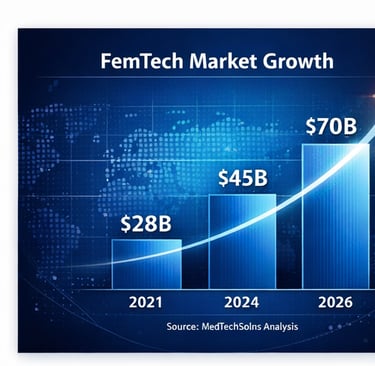
Evaluation of the evolution of FemTech, the burgeoning women's health technology sector, expected to reach $60–75 billion by 2026. Discover how personalized medicine and AI-driven solutions are addressin...
Medtechsolns.com
3/18/20265 min read

A MedTechSolns Flagship Analysis
Executive Summary
Women’s health technology — commonly referred to as FemTech — is entering a new phase of maturity in 2026. What began as a niche category centered around fertility tracking applications has evolved into a multi-billion-dollar sector spanning diagnostics, medical devices, digital therapeutics, and AI-driven personalized medicine.
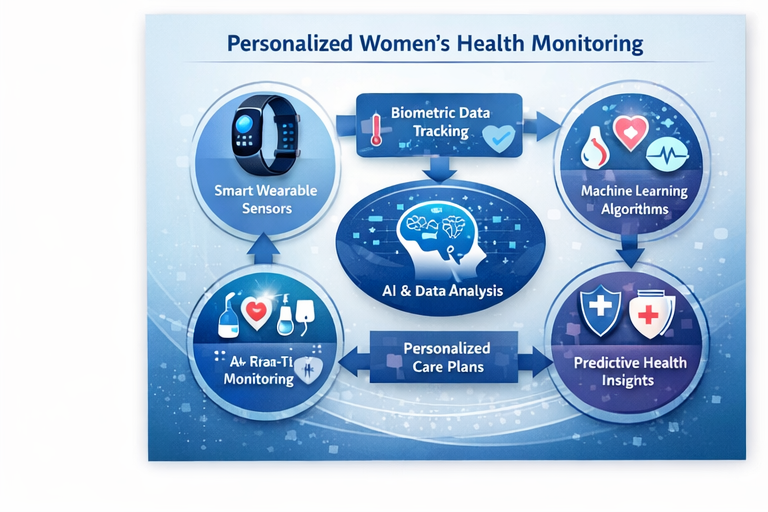
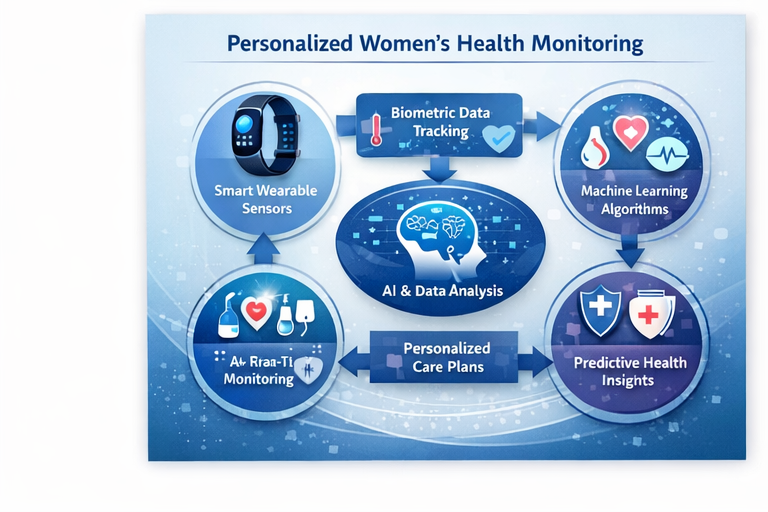
The core transformation driving FemTech is the shift toward personalized physiological monitoring. Advances in wearable biosensors, artificial intelligence, and digital health platforms now allow continuous tracking of hormonal, metabolic, and reproductive health parameters. These technologies are enabling earlier disease detection, improved reproductive health management, and more precise treatment approaches tailored specifically to female physiology.
This development is particularly significant given the long-standing gender data gap in medicine. Historically, many medical studies and diagnostic standards were developed primarily from male populations, leading to delayed diagnoses and suboptimal treatment strategies for women across numerous conditions.
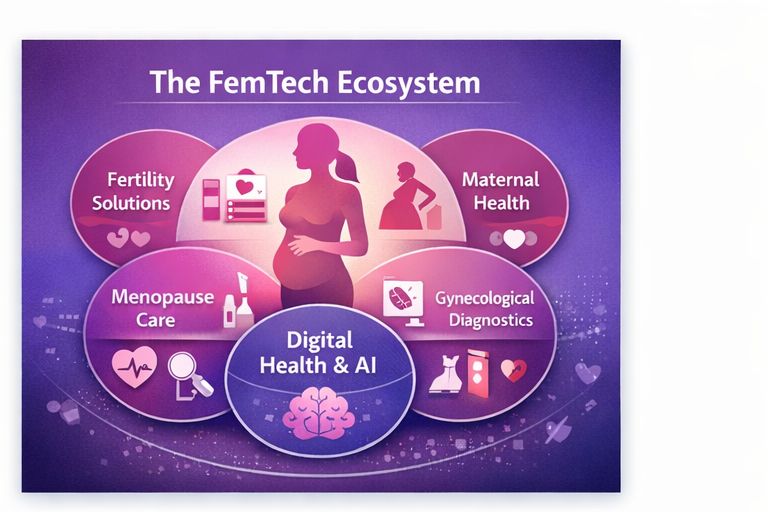
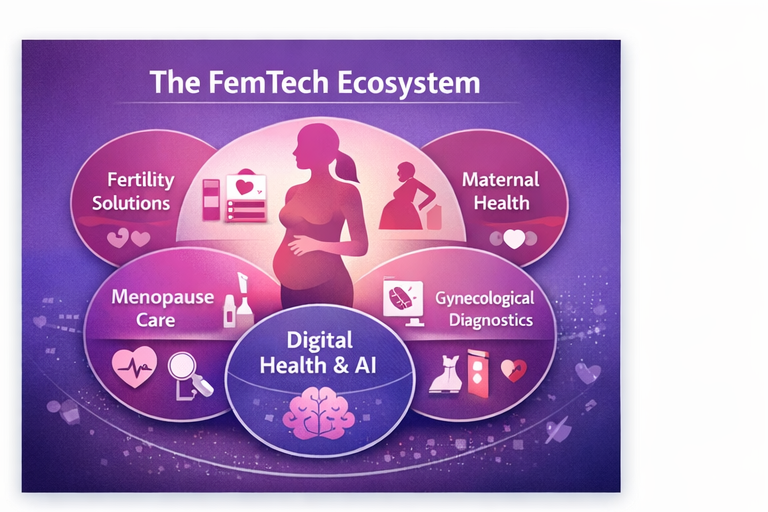
Today, the FemTech ecosystem encompasses technologies addressing:
fertility and reproductive health
pregnancy and maternal monitoring
menopause management
gynecological diagnostics
chronic disease management affecting women disproportionately
mental health and hormonal wellness
Market analysts estimate the global FemTech market could reach $60–75 billion by 2026, with sustained growth expected as healthcare systems increasingly adopt digital and personalized care models.
For healthcare systems, policymakers, medical device manufacturers, and digital health innovators, FemTech is emerging as one of the most strategically important sectors in modern healthcare technology.
1. The Structural Drivers Behind FemTech Growth
1.1 The Gender Data Gap in Medicine
For decades, biomedical research has been shaped by significant underrepresentation of women in clinical trials.
Historically:
women were frequently excluded from drug trials due to concerns around pregnancy risk
many disease models were derived primarily from male physiology
diagnostic standards often failed to capture sex-specific symptom patterns
Consequently, numerous conditions affecting women remain underdiagnosed or poorly understood. Examples include:
The emergence of FemTech platforms is helping close this gap by generating large-scale longitudinal datasets focused specifically on women’s health physiology.
1.2 The Shift Toward Continuous Health Monitoring
Traditional healthcare systems rely heavily on episodic clinical visits, where physiological data is captured at isolated points in time.
FemTech platforms are helping transition healthcare toward continuous monitoring models through:
wearable biosensors
smartphone-based diagnostics
remote patient monitoring systems
AI-driven predictive analytics
These technologies allow tracking of:
basal body temperature
hormonal fluctuations
heart rate variability
metabolic indicators
sleep patterns
stress biomarkers
The result is the emergence of predictive reproductive and hormonal health management.
2. Core FemTech Technology Segments
2.1 Fertility Intelligence Platforms
Fertility technology remains one of the largest and most commercially mature segments of the FemTech ecosystem.
Modern fertility platforms combine:
wearable temperature sensors
hormonal biomarker testing
AI cycle modeling
behavioral analytics
These technologies enable:
ovulation prediction
natural conception planning
infertility diagnostics
IVF cycle optimization
In clinical settings, fertility data platforms are increasingly integrated with reproductive endocrinology clinics and telemedicine services, enabling remote fertility consultation and treatment planning.
2.2 Remote Maternal Health Monitoring
Maternal health remains a major global healthcare challenge.
Each year:
approximately 295,000 women die from pregnancy-related complications worldwide
most maternal deaths occur in low- and middle-income countries
Remote maternal monitoring systems allow healthcare providers to track high-risk pregnancies outside hospital environments.
Key technologies include:
home blood pressure monitoring for preeclampsia detection
fetal heart rate monitoring wearables
glucose monitoring for gestational diabetes
tele-obstetric consultation platforms
These tools are particularly valuable in rural healthcare systems, where obstetric specialists may be limited.
2.3 Menopause Technology
Menopause affects over one billion women globally, yet historically received limited research investment.
Recent innovation has led to the emergence of digital menopause platforms designed to support women through hormonal transition.
Emerging solutions include:
hormone level tracking applications
metabolic monitoring wearables
AI-driven symptom management tools
digital hormone replacement therapy management systems
This segment represents one of the fastest-growing FemTech investment categories.
2.4 AI-Driven Gynecological Diagnostics
Artificial intelligence is transforming early detection of several women-specific diseases.
AI diagnostic tools are being applied to:
cervical cancer screening
ovarian tumor detection
ultrasound-based endometriosis detection
fibroid detection and monitoring
Portable diagnostic systems equipped with AI image analysis may significantly expand screening capacity in low-resource healthcare environments.
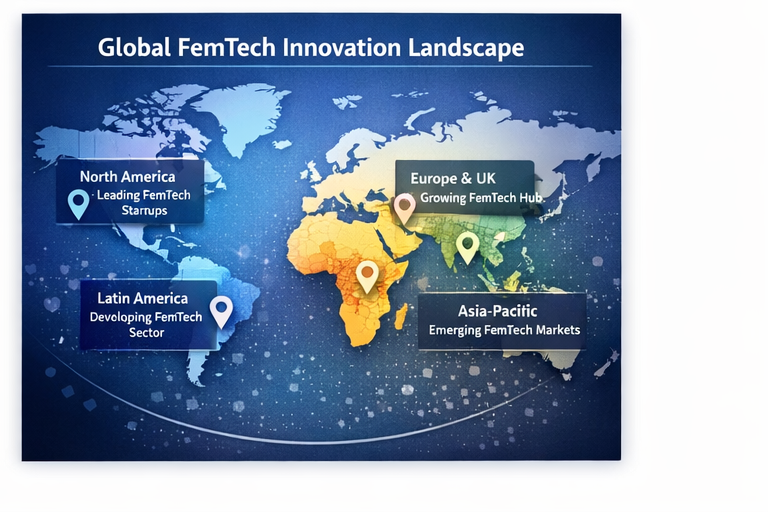
3. The Global FemTech Industry Landscape
The FemTech ecosystem now includes a diverse range of companies operating across diagnostics, digital health platforms, and medical devices.
Leading FemTech Segments
Notable Emerging Trends
Integration with electronic health records (EHRs)
Expansion of AI-based predictive health models
Development of clinical-grade wearable diagnostics
Increased venture capital investment in women’s health startups.
4. Regulatory and Clinical Validation Challenges
Despite strong growth, FemTech faces several regulatory and validation challenges.
Medical vs Wellness Classification
Many FemTech products exist in a gray zone between:
consumer wellness devices
regulated medical devices
This affects:
regulatory approval pathways
reimbursement eligibility
clinical adoption by hospitals.
Clinical Evidence Requirements
Healthcare providers increasingly demand:
randomized controlled trials
peer-reviewed validation
long-term safety data.
Without these, many digital health platforms struggle to gain acceptance within clinical practice.
5. FemTech and Global Health Equity
FemTech technologies may play a critical role in improving healthcare access in underserved regions.
In many low-income healthcare systems:
specialist gynecologists are scarce
maternal monitoring infrastructure is limited
diagnostic equipment availability is low.
Mobile-based FemTech platforms can support:
pregnancy monitoring by community health workers
remote consultations with obstetric specialists
early detection of complications.
This makes FemTech particularly relevant for global maternal health initiatives.
6. Future Directions: The Next Frontier of FemTech
Over the next decade, several emerging technologies may redefine women’s health innovation.
Precision Hormonal Medicine
Integration of hormonal monitoring with AI-driven pharmacological modeling may enable personalized hormone therapy.
Microbiome-Based Diagnostics
Research increasingly links vaginal and gut microbiomes to:
fertility outcomes
pregnancy complications
gynecological infections.
Implantable Biosensors
Future FemTech devices may include implantable sensors capable of monitoring:
hormone levels
inflammatory markers
metabolic signals.
Integration with Genomic Medicine
Genomic analysis could enable personalized prediction of risks for:
breast cancer
ovarian cancer
endometriosis.
7. Implications for Healthcare Systems and Medical Technology Industry
FemTech represents both a clinical innovation opportunity and a major market expansion for the medical technology industry.
Healthcare systems adopting FemTech solutions may benefit from:
earlier disease detection
reduced maternal complications
improved reproductive health outcomes
lower long-term healthcare costs.
For medical device manufacturers and digital health companies, the sector offers opportunities to develop technologies addressing historically underserved clinical needs.
Conclusion
The rapid evolution of FemTech reflects a broader transformation within healthcare: the movement toward precision medicine and personalized physiology monitoring.
By combining wearable biosensors, artificial intelligence, and digital health platforms, FemTech technologies are redefining how healthcare systems approach women’s health across the lifespan.
As regulatory frameworks mature and clinical evidence strengthens, FemTech is likely to become a central pillar of global healthcare innovation in the coming decade.
For researchers, healthcare providers, and policymakers, the sector represents a critical opportunity to address longstanding inequities in medical research and care delivery.


WHAT WE DO
MedTechSolns aims to provide credible, evidence-based, and technology-focused insight into healthcare systems, medical devices, diagnostics, and digital health innovations.
Our editorial approach bridges the gap between:
Medical science and technology
Clinical practice and health systems
Policy development and procurement decisions
Innovation and real-world implementation
The platform is designed to support healthcare professionals, policymakers, engineers, investors, and health system leaders in making informed decisions.
Resources
Connect
info@medtechsolns.com
+1234567890
© 2025. All rights reserved.